How Long Does Water Damage Restoration Take?
Drying commonly takes 3 to 5 days and rebuilding can add days to weeks. A realistic look at typical water damage timelines and what speeds them up or slows them down.

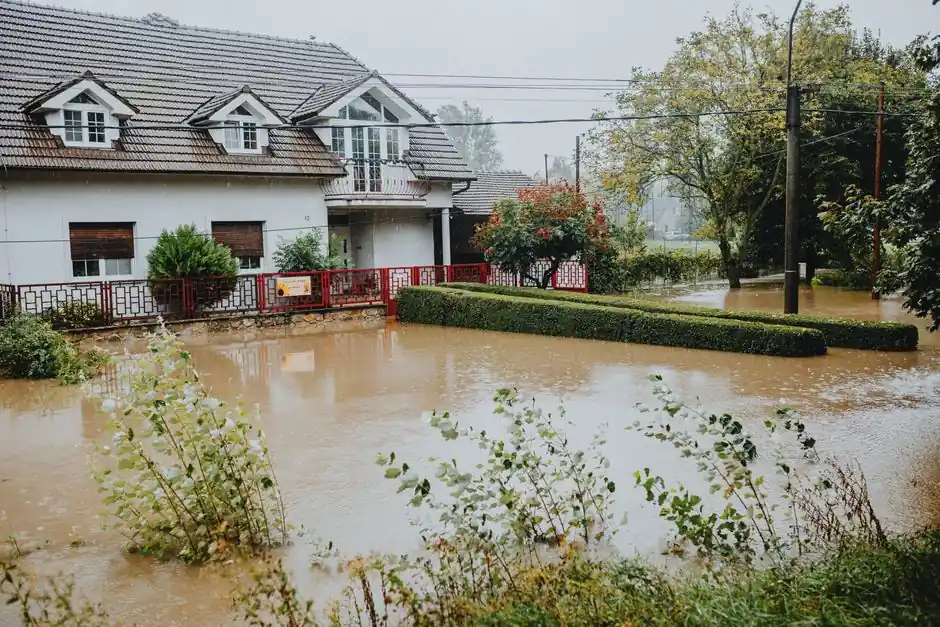
Professional drying after water damage typically takes 3 to 5 days, and the full restoration, including any rebuild, can run from a few days to several weeks. These are general industry timelines, and the real number for your home depends on the water category, the materials that got wet, and the temperature and humidity inside the house.
The question usually comes up in the first phone call, and it deserves an honest answer. No one can promise an exact number before the water has been mapped with moisture meters, but the ranges below show what is normal and what moves them, with a winter focus for Eagle Mountain in November.
How long does water damage restoration usually take?
Water damage restoration usually takes about 3 to 5 days for the drying phase and then days to weeks for repairs, so a small clean-water loss can wrap up in under a week while a large or contaminated loss can take a month or more.
Water damage restoration is the process of removing water, drying a building and its contents, and repairing what cannot be saved. Two timelines run one after the other: the mitigation timeline, which covers extraction and drying, and the rebuild timeline, which covers repairs.
- Extraction: usually the first day of the job, often a few hours of work.
- Drying: commonly 3 to 5 days with equipment running.
- Rebuild: days to several weeks depending on what was removed.
- Mold concerns: start within 24 to 48 hours if materials stay wet.
Typical timeline, step by step
A standard water damage job follows a predictable order, and each step has a typical range. These are industry norms, not promises from any particular company.
- Day 1, assessment and extraction. The crew finds the water, measures moisture and removes standing water with pumps and extractors. For deep water in a basement, this alone can take several hours.
- Day 1, removal of unsalvageable materials. Soaked carpet pad, insulation and damaged baseboard are typically pulled so the structure can dry.
- Days 1 to 5, drying. Air movers and low-grain refrigerant (LGR) dehumidifiers run continuously. Crews check moisture readings daily and adjust equipment.
- Final check. Equipment comes out only when readings reach the dry standard for each material.
- Repairs. Drywall, paint, flooring and trim go back in once everything is dry.
We cover the first phase on our page for Water Extraction in Eagle Mountain, and for the rebuild you can ask the company you are connected with for a written scope that includes timing.
What makes drying take longer?
Drying takes longer when the water is deeper, the materials are dense, the air is cold or humid, or the water was contaminated. Several of these stack up in a Utah winter.
- Water category. Clean water from a supply line dries faster than gray water or Category 3 sewage water, which requires removal of more materials.
- Damage class. The IICRC S500 describes four classes, from Class 1 (little water, low-porosity materials) to Class 4 (deep saturation in dense materials such as hardwood, plaster or concrete). Higher classes need longer and more specialized drying.
- Materials. Drywall and carpet dry quickly compared to solid hardwood, subfloor, concrete slabs and thick framing, which can need a week or more.
- Temperature and humidity. Cold air holds little moisture, and cold materials release water slowly. Equipment works best when the structure is held at a comfortable temperature.
- Time before drying started. Water that sat for several days soaks deeper, and the job usually grows.
- Hidden water. Moisture trapped in wall cavities or under cabinets may only show up on meters.
How do crews know when a home is dry?
A restoration crew confirms dryness with moisture meters, not by how a surface feels. Readings are taken on drywall, framing, flooring and concrete, and compared to a dry reference reading from unaffected material in the same house.
Equipment generally stays until each tracked area reaches that standard. Indoor humidity is typically brought down toward roughly 30 to 50 percent. If a crew pulls equipment on day two because the surface feels dry, wet framing may still be hidden, and mold can start in 24 to 48 hours. Ask the company for daily readings so you can see the drying progress yourself.
How long does the rebuild take?
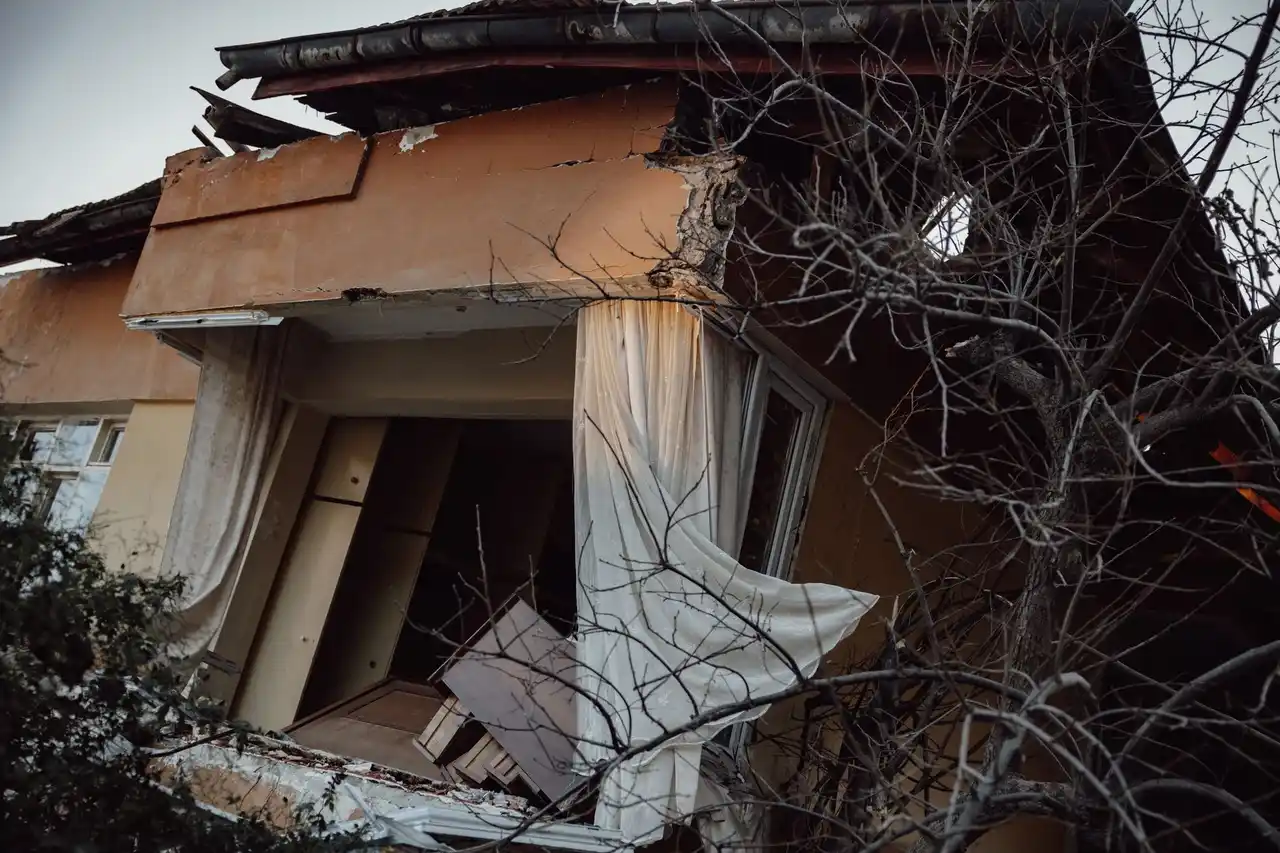
A rebuild after water damage can take as little as a few days for a patched wall and paint, or several weeks for a full room with new flooring, cabinets and drywall. The range depends on how much was removed and on material and contractor scheduling.
Scope is the biggest factor. Cutting out and replacing a four-foot strip of drywall and repainting is a short job. Replacing flooring across a whole level, rebuilding cabinets or replacing a subfloor is a much larger one. Insurance approvals can also add time, since the adjuster may need to see the damage or sign off on the repair scope before work starts. Keep your documentation organized to avoid delays.
If mold turns up during demolition, expect a separate step before rebuilding. Our overview of Basement Flood Cleanup in Eagle Mountain explains how a basement loss typically progresses.
Timelines for basements and crawl spaces
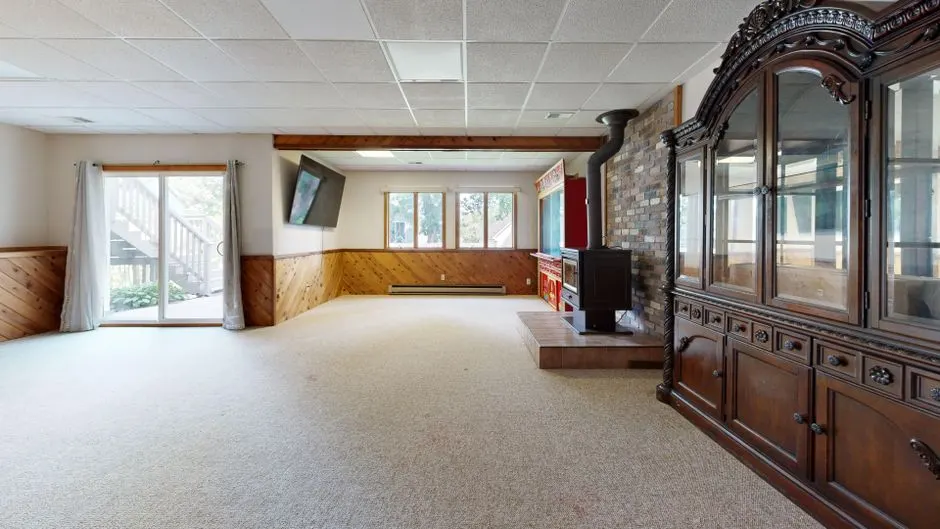
Basements and crawl spaces often take longer than main floor rooms because concrete, soil and enclosed air hold moisture. Concrete in particular can take well over a week to reach a dry reading after deep flooding.
A crawl space presents its own challenges. It is often cramped, the soil keeps releasing moisture, and standing water may need to be pumped out several times as groundwater comes through. Our page on Crawl Space Water Removal in Eagle Mountain explains how those jobs are approached. A finished basement with carpet, drywall and insulation can take several days of drying plus a rebuild if the walls need to be opened.
For homeowners in nearby parts of the area, timelines follow the same logic. Details for those communities are on our pages for Water Damage Restoration in Saratoga Springs and Water Damage Restoration in Lehi.
Common mistakes to avoid
The most common timeline mistake is pulling equipment too early. The second is waiting to start at all, which pushes a drying job into a rebuild job.
- Waiting to see if it dries. The first 24 to 48 hours decide whether mold gets started.
- Stopping equipment early. A surface that feels dry can hide wet framing or subfloor.
- Expecting a single exact day. Ask for a range and what would change it.
- Skipping moisture readings. Ask for daily logs.
- Closing up walls too soon. Drywall over wet framing leads to warping and mold.
- Turning off the heat. In winter, a cold house slows drying and risks another freeze.
When to call a professional
The sooner a professional starts, the shorter the whole timeline becomes, because there is less water to chase and fewer materials to replace. Call as soon as water has soaked flooring, drywall or insulation, or if water has been standing for more than a day.
Water Cleanup Eagle Mountain is a referral line, so we do not do the work ourselves. We connect you with an independent local water damage restoration company, and the crew you are connected with can look at your situation and tell you what timeline to expect for your home.
Frequently Asked Questions
How long does it take to dry out a house after a flood?
Professional drying typically takes 3 to 5 days after standing water is removed. Dense materials like hardwood, concrete and subfloor can take a week or more, so crews rely on moisture readings, not a fixed calendar.
Can I stay in my home during restoration?
Often yes for clean-water losses, though the noise from air movers and dehumidifiers is constant. Contaminated water, mold or large demolition may mean staying elsewhere for some days. The crew can advise once they see the loss.
Why is my restoration taking longer than expected?
Common reasons are hidden moisture in walls or subfloor, dense materials, cold weather, a contaminated water category, or insurance approvals for the rebuild. Ask for the latest readings and what is holding up the next step.
How soon should drying start?
Within 24 to 48 hours of the loss if possible. After that window, mold becomes more likely on wet drywall, carpet and framing, and more materials usually need to be removed instead of dried.
How long does mold take to grow after water damage?
Mold can begin to grow within 24 to 48 hours on damp materials in the right conditions. It becomes visible later, often within several days, which is why early drying matters.
Get help with Water Damage Restoration in Eagle Mountain
The timeline shrinks the sooner drying begins, so do not wait to see if it dries on its own. Call (385) 481-3042 and we connect you with a local water damage restoration company serving Eagle Mountain.