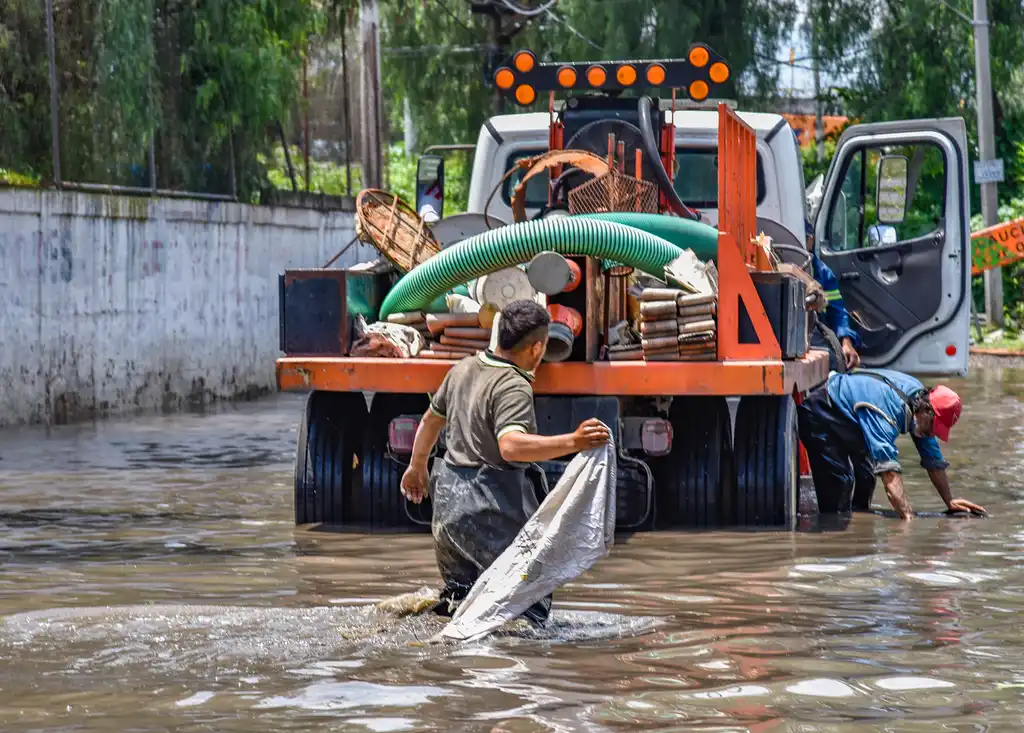
Remove deep floodwater first, then pull remaining water from carpet, pad and floors so cleaning and drying can start on a solid base.
Flood Cleanup in Eagle Mountain for Flooded Homes
Flood Cleanup in Eagle Mountain covers far more than getting water out. When a flood reaches your living space, you also face mud, debris, soaked contents and surfaces that need cleaning and sanitizing.
Serving Eagle Mountain and nearby areas.
How big is the flood?
Several rooms
Water has spread across a level, into walls and contents, so debris and sorting matter.
- 1. One room Water stays in a single room, and cleaning and drying handle it in place.
- 2. Several rooms Water has spread across a level, into walls and contents, so debris and sorting matter.
- 3. Whole house Multiple levels are wet; the plan is mapped out before equipment goes in.
Drag the needle to compareTouch and drag the needle
- 9Services from one local team
- 5Areas served around Eagle Mountain
- Source firstThe water source is stopped before cleanup begins
- Sort earlyContents are separated before mold can spread
What Flood Cleanup Typically Includes
Flood cleanup covers the full path from standing water to a dry, clean structure. The items below describe the work as it is normally done on a flooded Utah home.
Work order
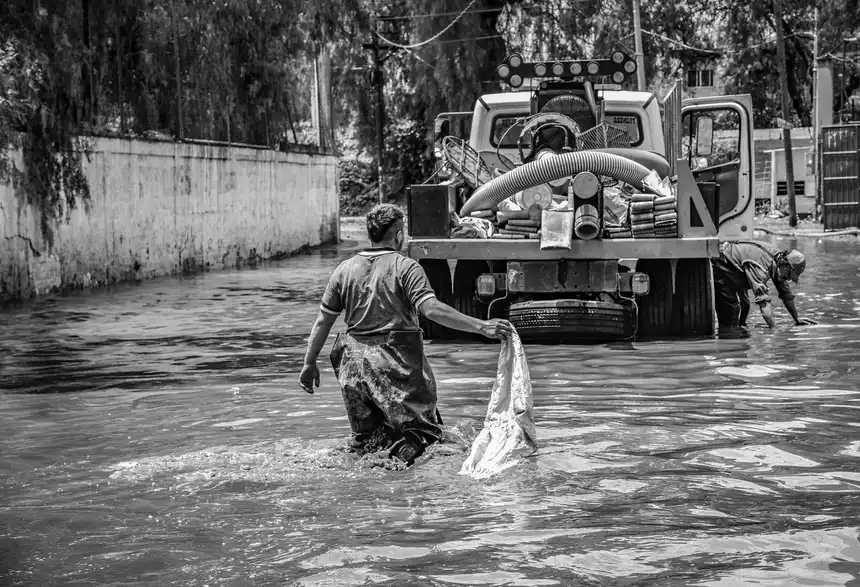
Flood Cleanup- Water and silt removal: Pumps and extractors remove standing water, and shovels, squeegees and wet vacuums clear mud and silt from floors, crawl spaces and low areas. Removing silt matters because it holds moisture and bacteria against floors and walls long after the water is gone.
- Debris and contents handling: Debris is bagged and carried out, and contents are moved to dry space and sorted into salvage, specialty cleaning and discard. Sorting early keeps ruined items from contaminating salvageable ones and gives you a clear list for your insurance adjuster.
- Removal of contaminated materials: Carpet pad, soaked insulation and drywall that floodwater has contaminated are cut out. Drywall is typically opened to about 2 feet above the water line, and framing is exposed so it can dry and be cleaned before anything new is installed.
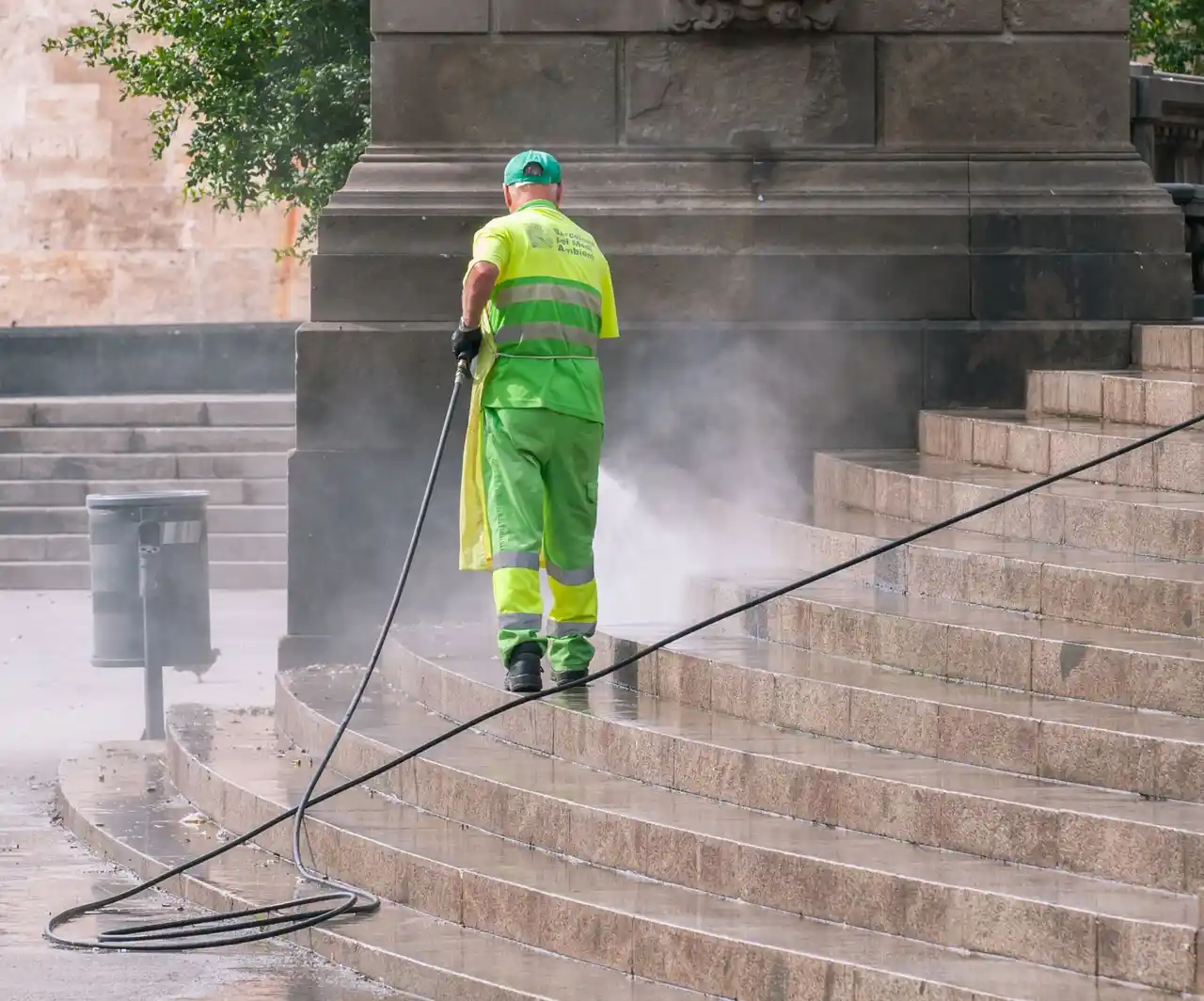
- Cleaning and sanitizing: Hard surfaces, concrete and exposed framing are washed and treated with antimicrobial products suited to the water category. Cleaning the building itself, not just the visible mess, is what makes the space safe to rebuild.
- Structural drying and readings: Air movers and LGR dehumidifiers dry the structure, usually over 3 to 5 days, while moisture meters track progress. Drying finishes when readings match unaffected materials, and the logs and photos become your record of the job.
What the first visit covers
First visit
The crew checks safety, finds the source, classifies the water, maps wet areas with meters, then starts removing water and debris.
Flood cleanup for your home
Floods reach different parts of a home, and cleanup is matched to each.
Finished basements
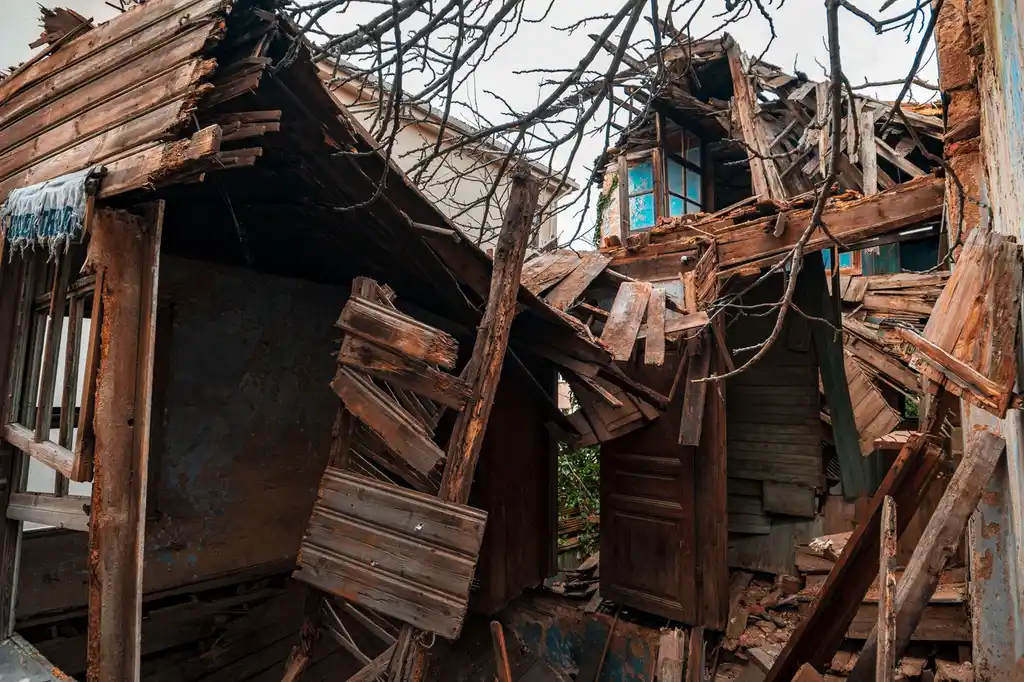
Carpet, pad and framed walls need water, silt and wet materials removed.
Pipe burst floods
Water from frozen lines runs through floors, walls and ceilings below.
Ground-level flooding
Runoff and groundwater leave mud, debris and contaminated materials.
Garages and storage
Boxes, tools and keepsakes are sorted, cleaned or discarded after a flood.
Flood cleanup for small businesses
Offices, shops and rental units need floodwater, debris and wet materials cleared so they can reopen.
Offices and studios
Carpet tile, drywall and files are checked and sorted.
Retail and storefronts
Floors and stock areas are cleared, cleaned and dried.
Rental properties
Flood damage between units is cleaned and dried for repairs.
Flood Cleanup in Eagle Mountain, Start to Finish
A flood leaves water, silt and bacteria in places you cannot see, and drying a house does not clean it. Doing cleanup, sanitizing and drying in the right order is what makes a rebuild safe.
Flood Cleanup in Eagle Mountain is the whole-property process of removing floodwater, debris and contaminated materials, then cleaning, sanitizing and drying a home so it can be repaired safely. It goes beyond extraction. Crews remove silt and debris, sort wet contents into salvage and discard, cut out materials that floodwater has contaminated, wash and disinfect surfaces, and dry the structure with air movers and LGR dehumidifiers. Floodwater is usually treated as Category 2 or Category 3 water under IICRC S500, which is why the cleaning stage matters as much as the pumping.
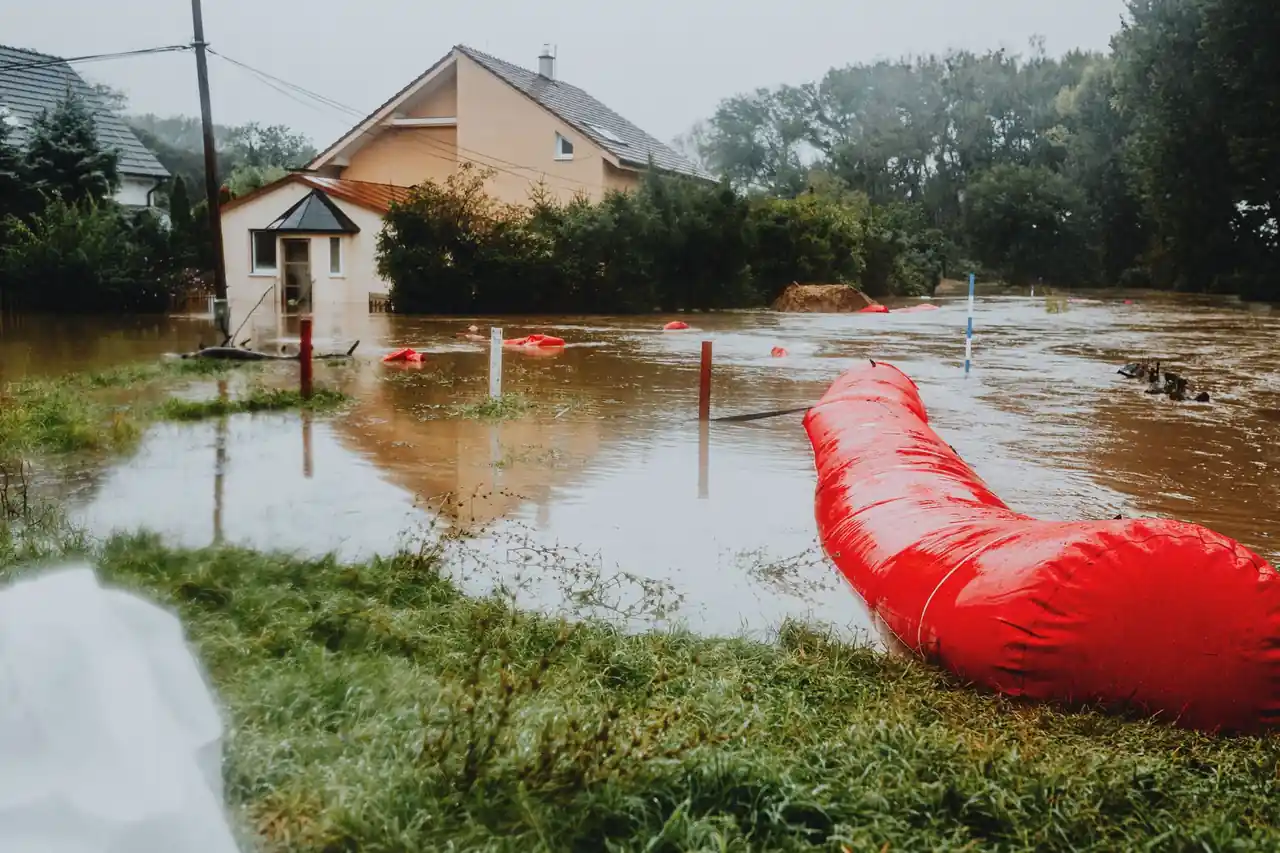
Eagle Mountain homeowners meet floods in three main ways. A hard freeze can split a supply line and flood a level before anyone notices. Spring snowmelt runoff over clay soils can push groundwater toward foundations and into lower levels. And a failed water heater, sump pump or washing machine hose can flood a finished space. If you are searching for flooded house cleanup in Eagle Mountain after a loss like this, the goal is a home that is clean, dry and ready to rebuild, not just rid of visible water.
- What it is
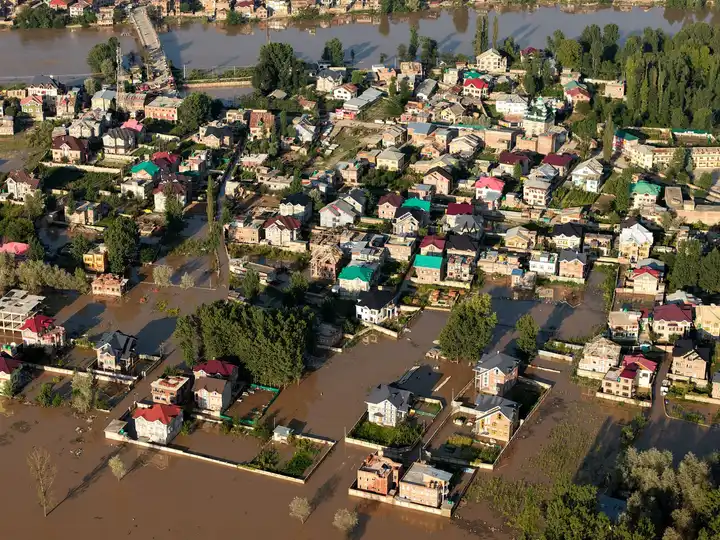
- Removal of floodwater, debris and contaminated materials, then cleaning and drying.
- When it helps
- After burst pipes, runoff, groundwater or appliance failures flood a home.
- What you get
- A clean, dry structure with readings and records ready for repairs.
What Happens During Flood Cleanup
Flood cleanup moves in stages, and each stage sets up the next.
Flood Cleanup Tools and Methods
Each method answers a different question. Together they leave very little to guess.

Blow air across wet floors and walls to speed evaporation. Placement follows moisture readings, and units are typically left running for 3 to 5 days.

Low grain refrigerant dehumidifiers pull water vapor out of the air so moisture leaving walls and floors does not settle back onto other surfaces.
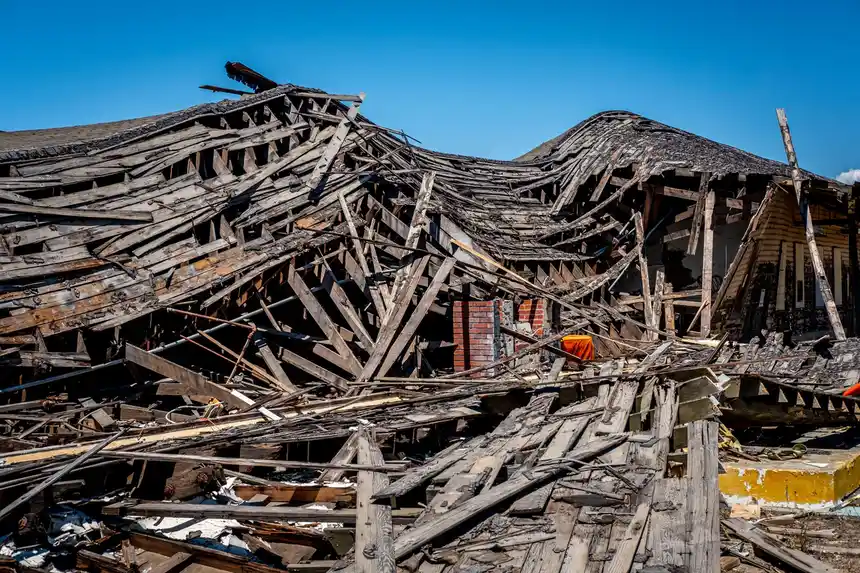
Filter dust and airborne particles during demolition and cleaning so the rest of the home stays cleaner while flood-damaged materials are removed.
Show where water traveled and when materials are dry, so cleanup decisions rest on readings and not on how a surface looks.
When to Call for Flood Cleanup
A hard freeze splits a supply line in an upstairs bathroom overnight and water pours through the main floor into the basement ceiling.
After the main valve is closed, crews extract water on all affected levels, remove wet ceiling drywall and insulation and trace moisture…
HomesSpring snowmelt runoff over clay soil overwhelms a basement window well and floods a finished family room with muddy water.
The crew pumps out the water, removes silt, cuts out contaminated pad and low drywall, then cleans and sanitizes concrete and framing.
HomesA washing machine hose fails in a laundry room attached to a small home office, flooding the hallway and office carpet.
Crews extract water from carpet and hard floors, move equipment and files to dry space, clean surfaces and check wall bases with…
Homes and businesses
How Flood Cleanup Works in Eagle Mountain
A flood in Eagle Mountain meets conditions that affect how cleanup is run. Winter freezes from November through February crack supply lines, and a split pipe in an unoccupied room can run for hours, so floods often reach several rooms and levels before they are found.
The Ranches
Larger homes with finished basements and long hose runs mean floods can reach many rooms, and cleanup covers several levels at once.
Pole Canyon
Newer construction with lower-level living space, where a pipe failure or groundwater entry can soak carpet over slab and framed walls.
City Center
Family homes with basement bedrooms and play areas, where contents sorting and cleaning of hard surfaces are a large part of cleanup.
- The Ranches
- Pole Canyon
- City Center
- Silverlake
From problem to finished result.
Slide to compare the photo with an illustrative inspection view. It is generated from the photo, not a measurement.
 Photo
Winter pipe burst, two levels
Before: A supply line splits in a second-floor bathroom during a hard freeze. Water runs through the floor, soaks the main-level carpet and reaches the finished basement ceiling, leaving about one inch standing in the lower level.
After: Pumps and extractors clear water from both levels, wet ceiling drywall and insulation are removed, and surfaces are cleaned. After 3 to 5 days of drying, moisture readings match unaffected rooms and the structure is ready for repair.
Groundwater in a finished basement
Before: Spring runoff pushes groundwater through a window well into a finished basement. Muddy water covers about 500 square feet, soaking carpet, pad, wall bases and stored boxes.
After: Water is pumped out, silt is removed, contaminated pad and low drywall are cut out, and concrete and framing are cleaned and sanitized. Drying brings readings to normal, and the window well is identified as the entry point.
Appliance flood and contents sorting
Before: A washing machine hose fails and floods a laundry room, hallway and nearby storage. Boxes, rugs and cabinets in the path are wet, and the family cannot tell what to keep.
After: Water is extracted, contents are sorted into clean and dry, specialty handling and discard, and wet flooring is addressed. Photo records and readings are ready for the insurance claim.
Solving Flooded Home Problems in Eagle Mountain
Floods leave people unsure where to start, and each problem below is a common version of that in Eagle Mountain.
A burst pipe flooded two floors and soaked the ceiling below.
Water travels through ceiling cavities and walls where it cannot be seen, soaking insulation and drywall and leading to sagging ceilings and hidden mold within days.
Snowmelt and clay soil sent groundwater into a finished lower level.
Muddy water soaks carpet, pad and wall bases and leaves silt behind, and contaminated groundwater means porous materials often cannot be saved.
Wet furniture, boxes and keepsakes are piled up and nobody knows what is salvageable.
Soaked items spread mold and odor to everything near them, and keeping the wrong things can put contaminated materials back in your home.
The house looks dry, but a musty smell lingers after the flood.
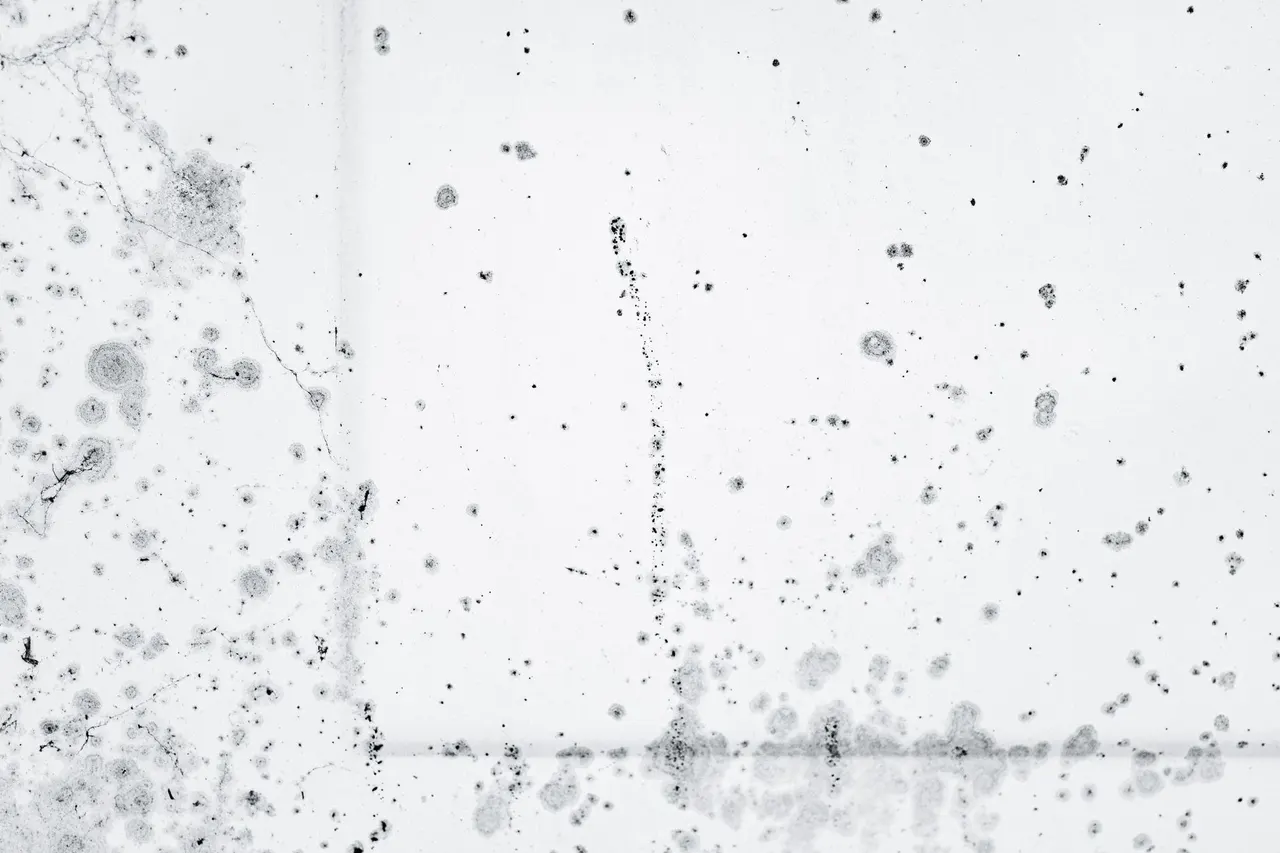
A smell usually means moisture is still trapped in pad, subfloor or walls, and mold can keep growing out of sight for weeks.
What Flood Cleanup Gets You
A flood leaves more than water behind. Silt, bacteria and soaked belongings all need a plan, and each hour they sit makes the loss bigger.
Safer living space
Floodwater often carries bacteria from soil, drains and overflowing systems.
Belongings sorted early
Contents are sorted into what can be cleaned and dried, what needs specialty handling, and what must be thrown out.
Mold has less to grow on
Mold can start in 24 to 48 hours on damp wall and floor materials.
Documented for your claim
Photographs, moisture readings and a list of removed materials make the loss clear to your insurance adjuster and to any repair contractor.
What Affects Flood Cleanup Cost?
Flood cleanup cost in Eagle Mountain depends on the job and is not a flat rate, so no figures are listed here.
Included
Quoted after a first look
- Water and silt removal
- Debris and contents handling
- Removal of contaminated materials
- Cleaning and sanitizing
What changes the scope
Quoted after a first look
- Affected area and levels
- Water category
- Time the water sat
- Materials and finishes
What you receive after cleanup
Clear records you can keep and share.
Moisture readings
Room by room results showing what dried and where.
Removed materials list
A record of what was cut out or discarded, with photos.
Water category notes
The water type and source, noted for your records and claim.
How Flood Cleanup Is Handled
Flood cleanup is a sequence of decisions about contamination, materials and drying, not just a pump and a mop.
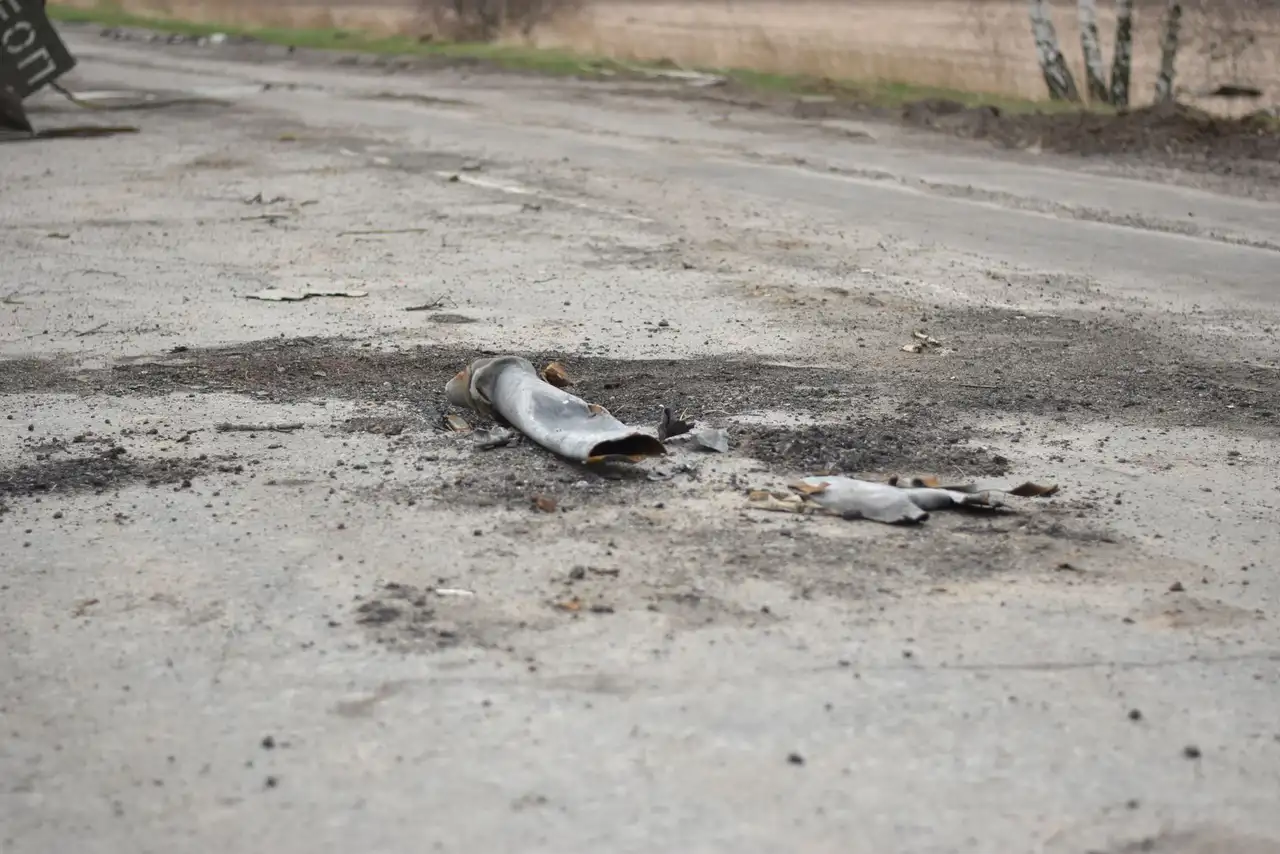
Water category
Clean, gray or black water under IICRC S500 decides protective gear and which materials can be saved or removed.
Wicking height
Moisture climbs drywall above the visible line, so readings show how high to cut so framing can dry.
Moisture readings
Meters show how wet wood, drywall and subfloor are, and tell crews when materials match dry standards.
Is your Eagle Mountain area covered?
Type your ZIP code or town. If yours is not listed, call (385) 481-3042 and ask about it.
Eagle Mountain ZIP codes
- 84013
- 84005
Towns we serve.
Based in Eagle Mountain and covering the places around it. Pick one for local details.
Frequently Asked Questions
Short answers for the first few minutes. The team can cover the rest.
Still have a question?
Describe what you are seeing and we will point you to the right next step.
(385) 481-3042Most residential flood cleanup takes about 3 to 5 days of drying after water removal and debris cleanup, and a large loss can take longer. Pumping and cleanup happen first, then air movers and dehumidifiers run until moisture readings match unaffected materials. Rebuilding is separate and can take weeks. Call (385) 481-3042 as soon as water enters your home to be connected with a local restoration company.
Yes, floodwater is generally treated as contaminated, usually Category 2 or Category 3 under IICRC S500. Water that travels across soil, through drains or over floors picks up bacteria and chemicals. Porous materials such as carpet pad, insulation and soaked drywall are often removed rather than dried, and hard surfaces are cleaned and sanitized. Avoid wading through standing water, and keep children and pets out of affected areas.
Shut off the main water valve if a pipe caused the flood, turn off power to wet areas only if you can do so safely, and call a professional. Then move valuables to dry space, take photographs for your insurance claim, and avoid using household vacuums on water. Call (385) 481-3042 and tell the restoration company how deep the water is and which rooms it reached.
Sometimes, but it depends on how long water sat and what kind it was. Clean water caught early can often be dried in place, while contaminated floodwater usually means cutting out drywall and insulation 2 feet or more above the water line. Moisture meters and thermal cameras show what is wet, so decisions come from readings rather than guesses.
Related Services
Other services from the same team.
- Basement Flood CleanupBasement flooding often comes from sump pump failure, a failed water heater or groundwater pushing in after snowmelt.
- Mold RemediationMold can begin growing on damp materials within 24 to 48 hours of a leak.
- Crawl Space Water RemovalCrawl space flooding is easy to miss because nobody looks down there until a smell or a sagging…
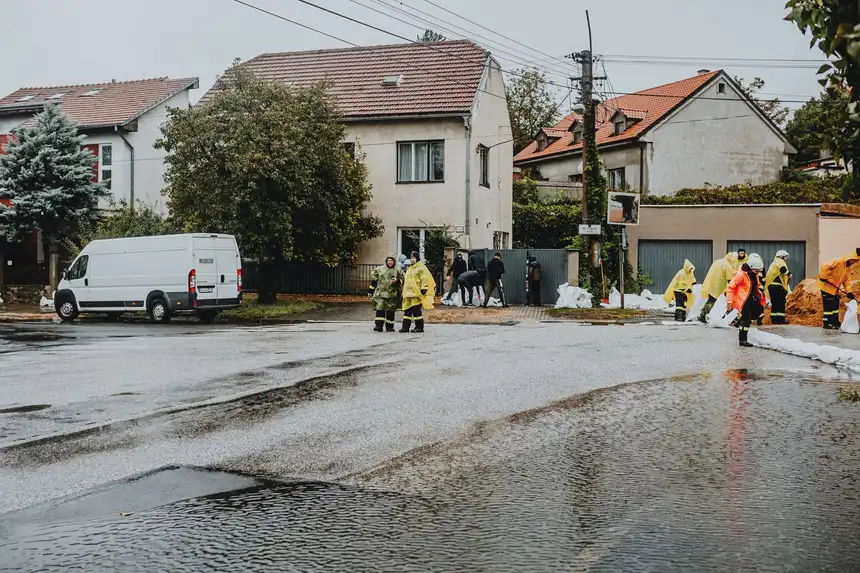
Call for Flood Cleanup in Eagle Mountain Today
(385) 481-3042A flooded home gets harder to recover with every hour the water sits.
Call to Get Connected
If water is damaging your home in Eagle Mountain or a nearby Utah County town, call (385) 481-3042. Tell us what happened, where the water is and whether it is still flowing. We connect you with an independent local water damage restoration company that serves your address.
Call to get connected
Call (385) 481-3042 and tell us what happened, where the water is and whether it is still flowing. We connect you with a local water damage restoration company serving Eagle Mountain and nearby towns.