Read moisture in drywall, framing, and subfloor so wet and dry areas are measured instead of guessed, and so progress can be tracked daily.
Water Mitigation in Eagle Mountain, Utah, Before Damage Spreads
Water Mitigation in Eagle Mountain means stopping further damage while your home can still be saved: pulling standing water, mapping moisture, and starting structural drying. Call (385) 481-3042 and Water Cleanup Eagle Mountain connects you with an independent local restoration company serving Utah County.
Serving Eagle Mountain and nearby areas.
How big is the water loss?
Multiple rooms
Water reached adjoining rooms or a lower level, which means more drying equipment and some tear-out.
- 1. Single room One wet room or wall. Extraction, moisture mapping, and a few air movers usually cover it.
- 2. Multiple rooms Water reached adjoining rooms or a lower level, which means more drying equipment and some tear-out.
- 3. Whole level A basement or full floor is soaked with saturated materials. A written drying plan comes first.
Drag the needle to compareTouch and drag the needle
- 9Services from one local team
- 5Areas served around Eagle Mountain
- Meter firstReadings guide every tear-out decision
- Daily logsMoisture readings recorded at each drying check
What Water Mitigation Typically Includes
A full mitigation job covers everything between the leak and the rebuild.
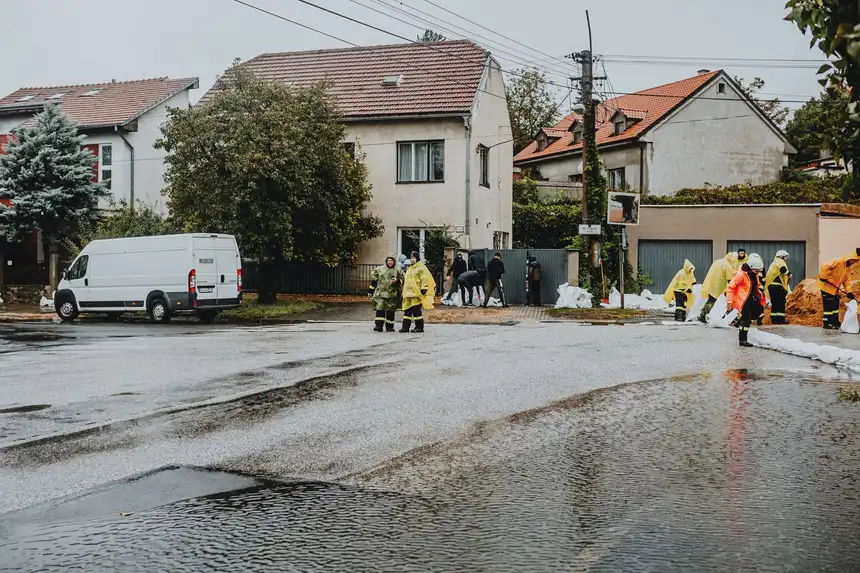
Work order
Water Mitigation- Source control: Finding where the water came from and stopping it, whether that is a split supply line, a failed appliance hose, a sump pump failure, or a roof leak. Temporary fixes, like capping a line, hold until a plumber makes the permanent repair.
- Water extraction: Submersible pumps, extractors, and wet vacuums remove standing water and lift moisture from carpet and pad. A flooded basement may need pumps first, then repeated extractor passes, each checked with a meter until no water returns to the surface.
- Moisture mapping and logging: Meters and a thermal camera set the wet boundary, and the readings are marked on walls and recorded each day. The log shows the starting condition, the daily trend, and the final dry readings, along with photos of affected rooms.
- Controlled tear-out: Unsalvageable porous material comes out: wet insulation, carpet pad, and drywall below the wet line. Cuts are kept straight and tidy so repair is simple, and debris is bagged to keep dust and moisture contained.
- Structural drying: LGR dehumidifiers, air movers, and sometimes injection drying for wall cavities and hardwood run for the 3 to 5 days drying usually takes, with equipment adjusted at each daily check until readings match a dry reference.
What the first visit covers
First visit
Source check, water extraction, moisture mapping with meters and a thermal camera, and a clear list of what can be dried and what comes out.
Water mitigation for your home
Typical household water losses that need extraction and structural drying right away.
Frozen pipe splits
Water behind walls and under floors after a freeze.
Sump pump failure
Basement flooding after power loss or an overloaded pump.
Appliance leaks
Washer, dishwasher, and water heater leaks that soak flooring.
Roof and ceiling leaks
Water from the attic that saturates insulation and drywall.
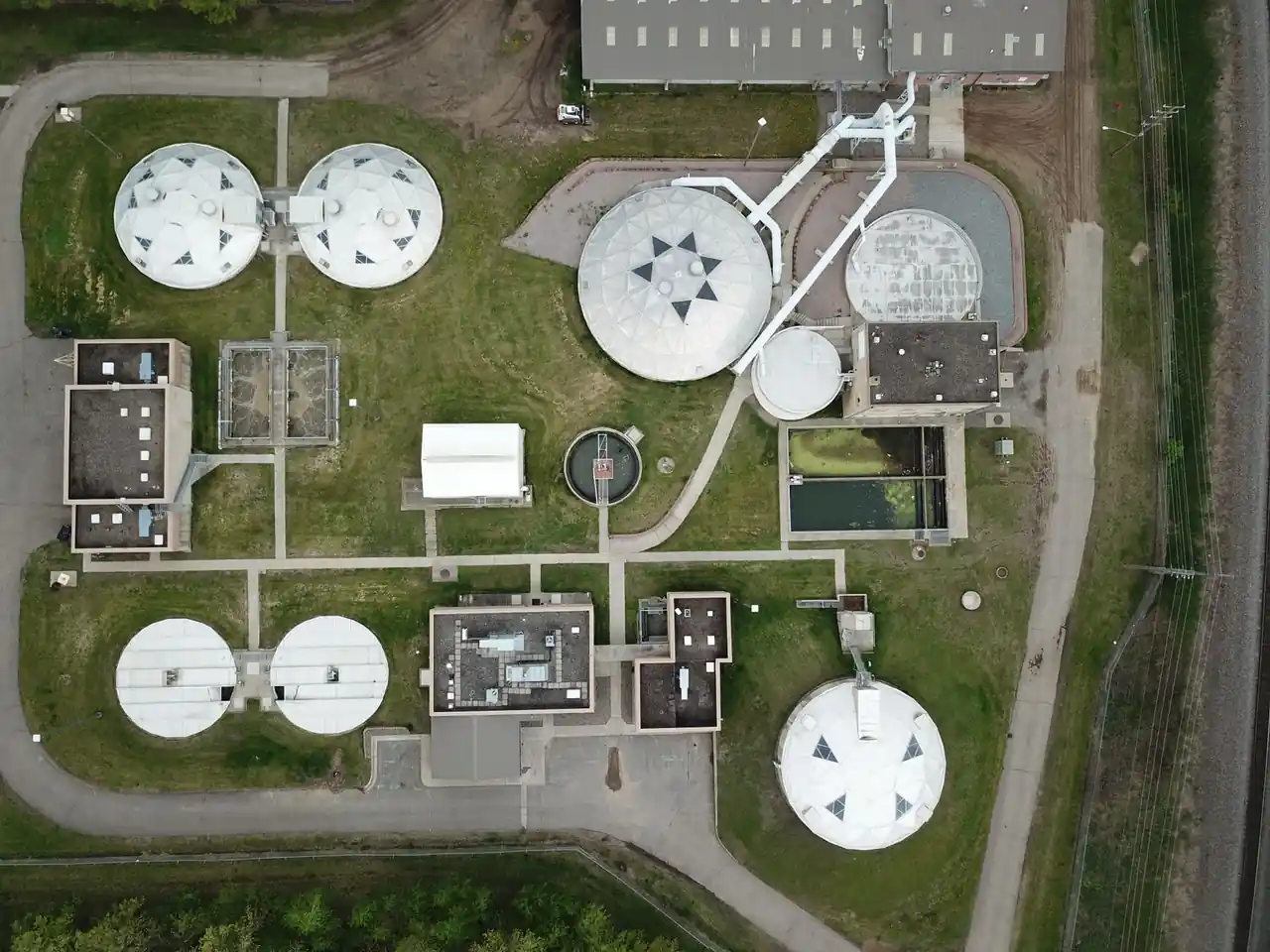
Water mitigation for businesses
Small commercial spaces need water stopped and dried quickly so the space can reopen.
Retail suites
Supply line or sprinkler leaks over carpet and drywall.
Offices
Ceiling and wall leaks that wet shared floors.
Storage spaces
Water on floors and stock needing extraction and drying.
What Is Water Mitigation in Eagle Mountain?
Mitigation done properly means measuring first and drying until readings match a dry wall. Shortcuts leave moisture inside walls, where mold and rot grow quietly. Doing it right takes days now and avoids a rebuild later.
Water Mitigation in Eagle Mountain is the emergency stage of water damage work that stops water from spreading and limits secondary damage to your home. Mitigation is not the rebuild. It covers stopping the source, removing standing water with pumps and extractors, mapping moisture in walls and floors with meters and a thermal camera, setting air movers and dehumidifiers, and deciding which wet materials come out. Restoration, meaning new drywall, paint, and flooring, comes after the structure reads dry. A restoration pro typically follows the IICRC S500 standard to sort water by category and damage by class.
Eagle Mountain homes are mostly newer, tightly built, and often have finished basements, so water that gets behind drywall stays there. A frozen pipe that splits overnight, a failed sump pump, or a washing machine supply line can leave 1 to 3 inches of water across a floor and moisture climbing the walls by morning. Mold can begin growing in 24 to 48 hours, so the first days decide whether you dry the house or rebuild parts of it. Water removal Eagle Mountain crews usually pull the water first, because every hour it sits it moves further into framing.
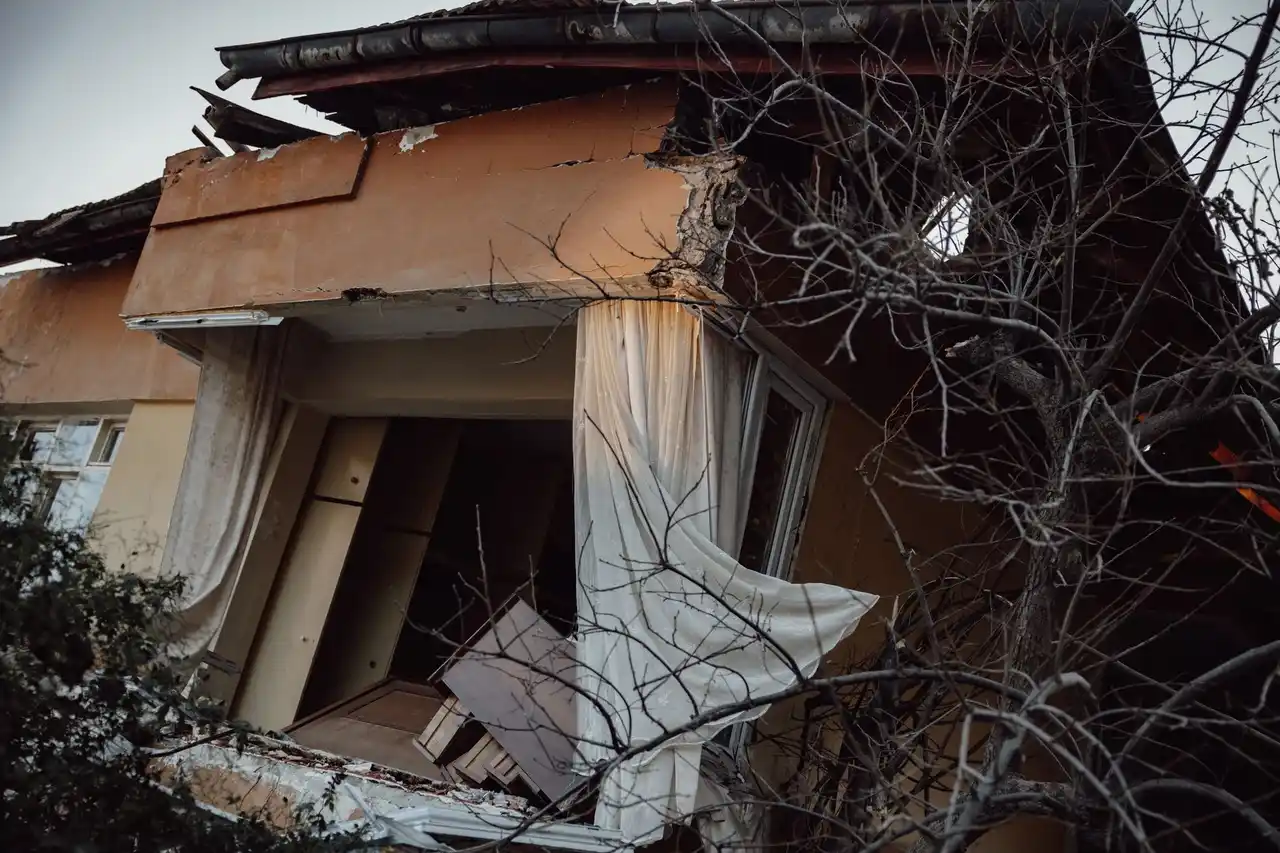
- What it is
- Stopping water spread through extraction, mapping, tear-out decisions, and drying.
- When it helps
- Any time water has soaked drywall, flooring, or insulation, ideally within the first day.
- What you get
- A dry structure, a moisture log, and a clear list of repairs left.
How Water Mitigation Works Step by Step
A mitigation job follows a fixed order, because skipping a step wastes the ones after it.
Equipment and Standards Used
Each method answers a different question. Together they leave very little to guess.
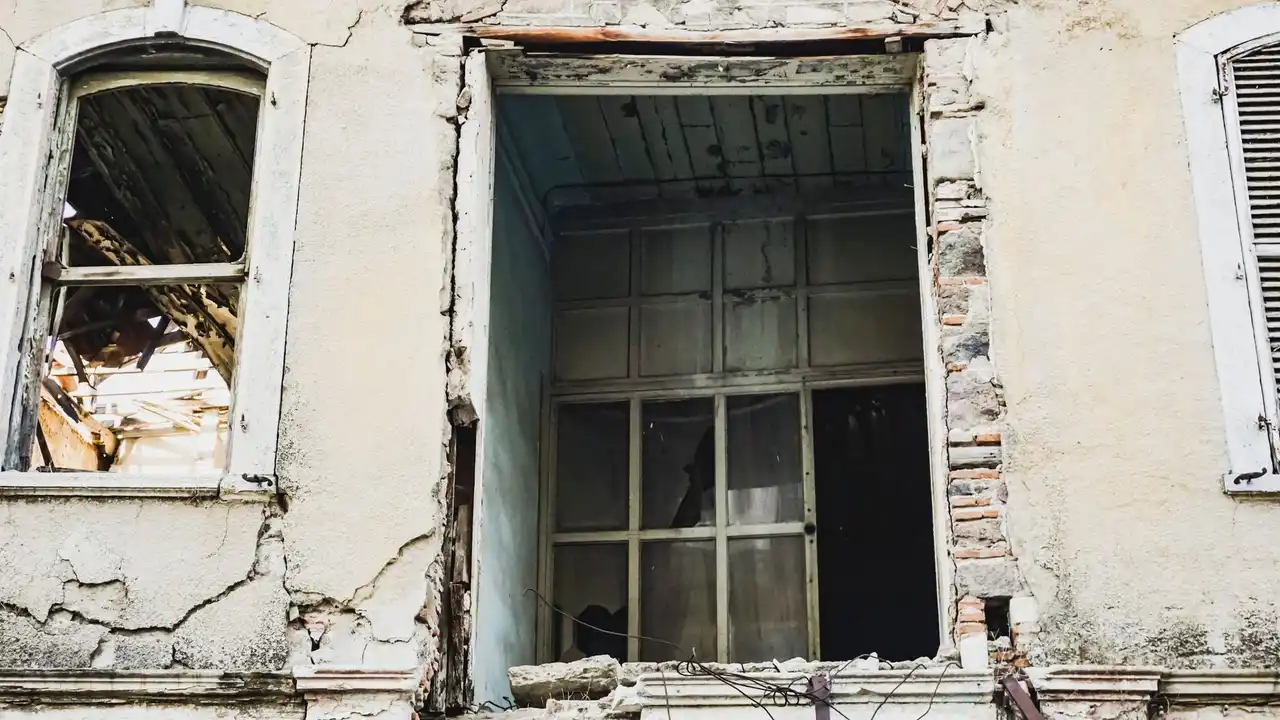
Shows temperature differences that reveal wet areas behind paint, under flooring, and in ceilings, helping crews find water before cutting anything open.
Low grain refrigerant units pull moisture from the air and materials even at low humidity, which keeps drying moving through the final days of a job.
Push dry air across wet surfaces and into cavities to speed evaporation. Placement follows room size, wall length, and damage class.
Remove standing water and lift water from carpet and pad. Bulk removal cuts drying time because less water has to evaporate.
When to Call for Water Mitigation
A split supply line in a Pioneer Addition laundry room runs through a November cold snap and soaks the floor and the hallway beyond.
The restoration crew stops the source, extracts water from the floor, maps moisture along the shared wall, removes wet baseboard and the…
HomesA sump pump in a Ranches basement stops during a storm outage, leaving 2 inches of water over a finished floor.
Submersible pumps and extractors remove the water, wet carpet and pad are taken out, and dehumidifiers run on the whole lower level…
HomesA sprinkler line leaks over a small retail suite and wets carpet, drywall, and the back storage area.
The crew shuts off the zone, extracts water, removes wet carpet pad and the lowest drywall, and sets drying equipment in the…
BusinessesAfter heavy snow, a roof leak sends water into an attic and down through a ceiling in a home or small office.
Wet insulation is removed, the ceiling is opened where thermal imaging shows moisture, and the attic and ceiling cavity are dried with…
Homes and businesses
How Mitigation Runs in Eagle Mountain
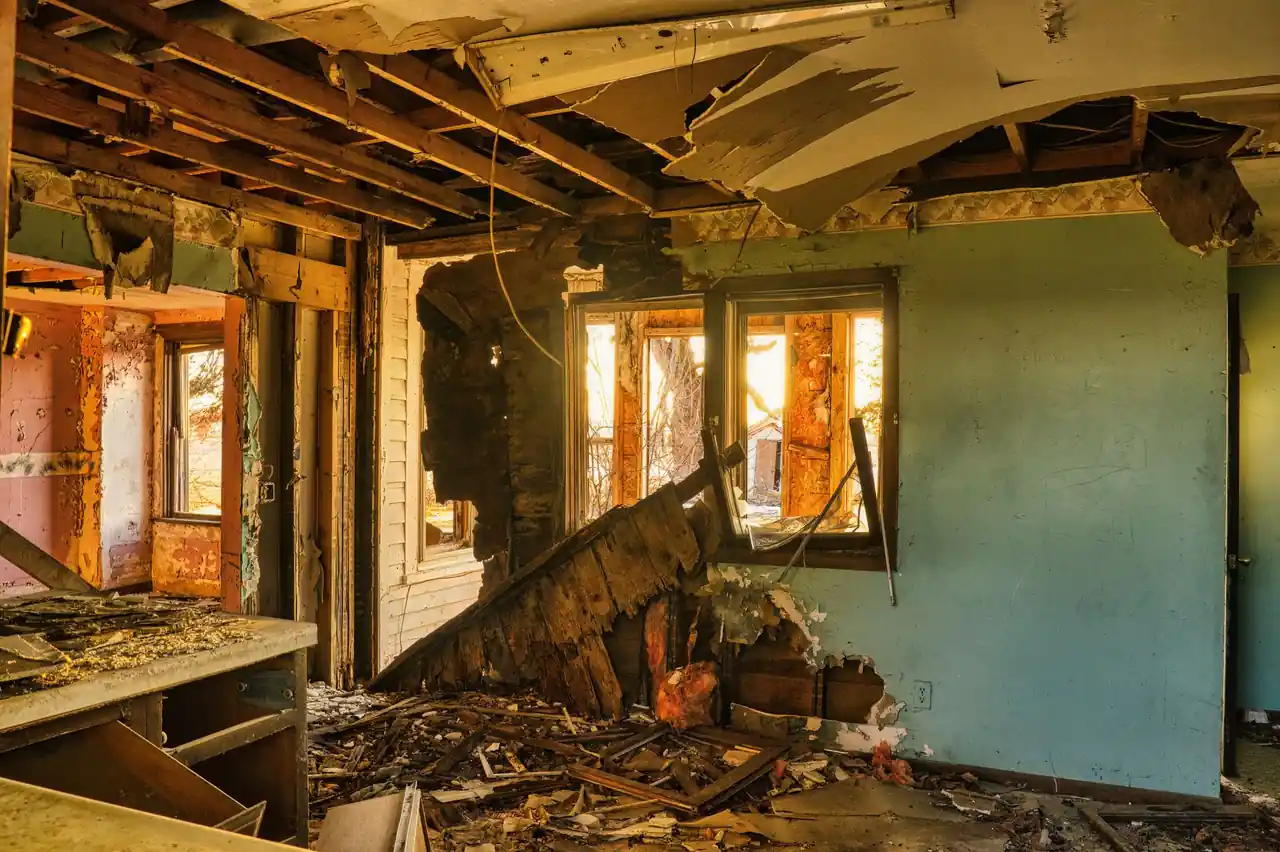
Eagle Mountain sits on the west side of Utah County, where winter brings hard freezes, wind, and snowmelt that can reach foundations by spring.
The Ranches
Larger lots and finished lower levels mean basement water can spread across a big footprint, so extraction and drying equipment needs rise with square footage.
Pioneer Addition
Homes with exterior hose bibs and garage supply lines see the first freeze failures each winter, so those lines are the first place to check after a leak.
Overland
Newer construction often has tight, insulated walls that dry slowly, so thermal imaging matters for finding water that stayed inside a cavity after a leak.
- The Ranches
- Pioneer Addition
- Overland
From problem to finished result.
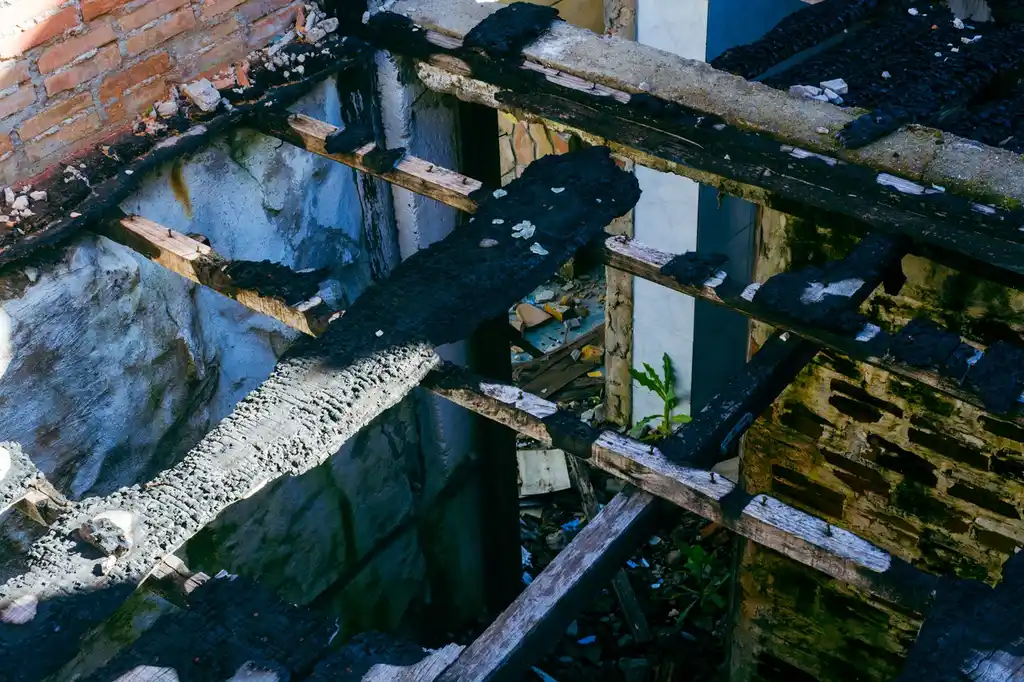
Slide to compare the photo with an illustrative inspection view. It is generated from the photo, not a measurement.
 Photo
Frozen line in a laundry room
Before: A supply line split overnight and ran for several hours. The laundry floor holds standing water, the hallway baseboard is swelling, and the shared wall reads wet 18 inches up on a moisture meter. Insulation inside the wall is soaked.
After: Water is extracted, the lowest 2 feet of wet drywall and insulation are removed, and air movers plus one LGR dehumidifier run for about 4 days. Final readings match the dry reference wall, and only a short strip of drywall needs replacing.
Basement after sump pump failure
Before: A storm outage stopped the sump pump and left about 2 inches of water across a finished 800 square foot basement. Carpet and pad are saturated, drywall bottoms are wicking, and the air smells musty.
After: Roughly 1,000 gallons are extracted, carpet and pad are removed, and several dehumidifiers run for 4 to 5 days. Walls are verified at three heights, and framing reads dry before any rebuild begins.
Roof leak through a ceiling
Before: Snowmelt got past flashing and soaked attic insulation. A stain has spread across a bedroom ceiling about 6 feet wide, and the drywall is starting to sag in the center.
After: Wet insulation is removed, the sagging section is opened, and the cavity is dried with air movers and a dehumidifier. Readings confirm dry joists in about 3 days, so only the opened section needs patching.
Problems Mitigation Solves After a Leak
Most water damage gets worse because of what happens after the leak stops, not during it.
A frozen pipe split overnight and water ran behind the walls.
Water wicks up drywall and into insulation, where it stays wet for days.
A finished basement took on water after a sump pump failure.
Carpet, pad, and the bottom of drywall wick water upward, and humid basement air spreads moisture to the whole level.
A ceiling is stained and nobody knows how far the water spread.
Water travels along joists and pools in insulation, so the visible stain is usually smaller than the wet area. Ignored, ceilings sag and fixtures corrode.
Carpet feels dry on top but the pad and subfloor underneath are still wet.
Moisture trapped under flooring keeps feeding mold and warps wood for weeks while the surface looks fine.
What Does Mitigation Save You?
Correct mitigation changes the size of the repair more than anything else you do after a leak.
Smaller repair scope
Drying drywall, baseboard, and subfloor in place, when the readings allow it, avoids cutting them out.
Mold gets no head start
Mold needs moisture, organic material, and roughly 24 to 48 hours to take hold.
Clear tear-out decisions
Moisture readings, not guesses, decide what gets removed.
Documented for your claim
Photos, moisture logs, and daily drying readings give your insurance carrier a record of what was wet and when it dried.
What Affects Mitigation Cost
Water mitigation cost depends on how much water there is, how long it sat, and what it touched, so a fair number only comes after someone…
Included
Quoted after a first look
- Source control
- Water extraction
- Moisture mapping and logging
- Controlled tear-out
What changes the scope
Quoted after a first look
- Affected square footage
- Water category
- Materials involved
- Days of drying equipment
What you receive on the job
Clear records you can keep and share.
Moisture readings log
Starting, daily, and final readings for each wet area.
Photo documentation
Before, during, and after photos of affected rooms.
Repairs list
What was removed and what restoration still needs to rebuild.
Mitigation Methods Behind the Work
Water mitigation is a measurement job as much as a cleanup job.
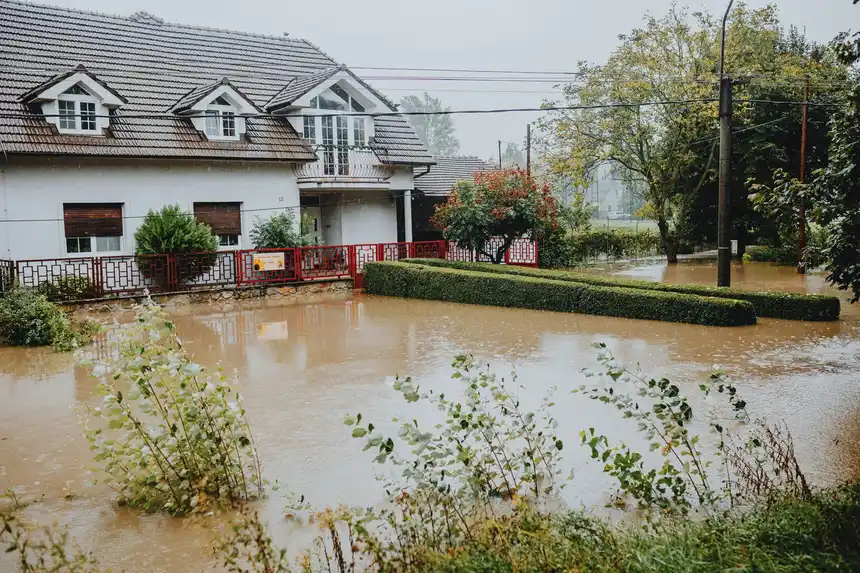
Moisture meter readings
Numbers on drywall and wood are compared with a dry reference wall to show what is still wet and what has dried.
Thermal camera patterns
Cooler patches on walls and ceilings point to evaporating water, which shows where to place meters and where to cut.
Humidity and temperature
Air readings show whether the room is drying and whether dehumidifier and air mover placement needs to change.
Is your Eagle Mountain area covered?
Type your ZIP code or town. If yours is not listed, call (385) 481-3042 and ask about it.
Eagle Mountain ZIP codes
- 84013
- 84005
Towns we serve.
Based in Eagle Mountain and covering the places around it. Pick one for local details.
Frequently Asked Questions
Short answers for the first few minutes. The team can cover the rest.
Still have a question?
Describe what you are seeing and we will point you to the right next step.
(385) 481-3042Active mitigation usually takes 3 to 5 days of drying, after the first visit handles extraction and moisture mapping. Larger Class 3 or Class 4 losses, with wet ceilings or saturated hardwood, can run longer. The crew stops when daily readings match a dry reference wall, not on a fixed date. Your own timeline depends on materials, how long the water sat, and how many rooms are wet.
Mitigation stops damage from spreading, and restoration repairs and rebuilds what was damaged. Mitigation covers stopping the source, extraction, moisture mapping, tear-out of unsalvageable material, and drying. Restoration covers new drywall, insulation, paint, flooring, and cabinets. The two are often done by the same company but they are different stages with different goals.
Yes, close the main water valve if you can reach it safely, because mitigation cannot finish while water keeps coming in. In many Eagle Mountain homes the main shutoff sits near the water heater or where the line enters the house. If water is near outlets or the electrical panel, stay out and do not touch them. Then call (385) 481-3042.
Mold can start growing in 24 to 48 hours when materials stay wet. Utah's dry air helps surfaces dry, but wet insulation and drywall inside closed walls stay damp for days. That hidden moisture is why crews check wall cavities with meters and thermal imaging before calling a room dry. If you smell mustiness days after a leak, mention it on the call.
Related Services
Other services from the same team.
- Sewage CleanupSewage backup cleanup deals with Category 3 water, which contains bacteria and should not be handled by homeowners.
- Emergency Water DamageEmergency water damage restoration in Eagle Mountain is for active problems: water still flowing, a ceiling sagging under…
- Water ExtractionWater extraction pulls standing water out of carpet, flooring and rooms before it soaks into walls and subfloor.
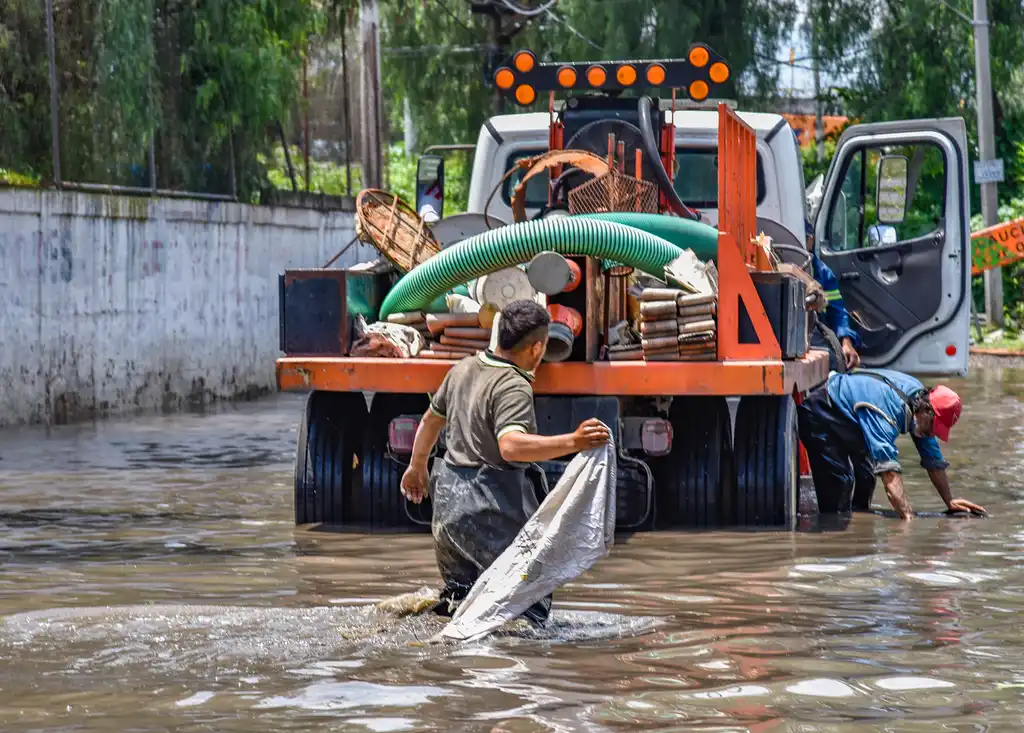
Call About Water Mitigation in Eagle Mountain Today
(385) 481-3042Standing water and wet drywall get harder to save with every day that passes.
Call to Get Connected
If water is damaging your home in Eagle Mountain or a nearby Utah County town, call (385) 481-3042. Tell us what happened, where the water is and whether it is still flowing. We connect you with an independent local water damage restoration company that serves your address.
Call to get connected
Call (385) 481-3042 and tell us what happened, where the water is and whether it is still flowing. We connect you with a local water damage restoration company serving Eagle Mountain and nearby towns.